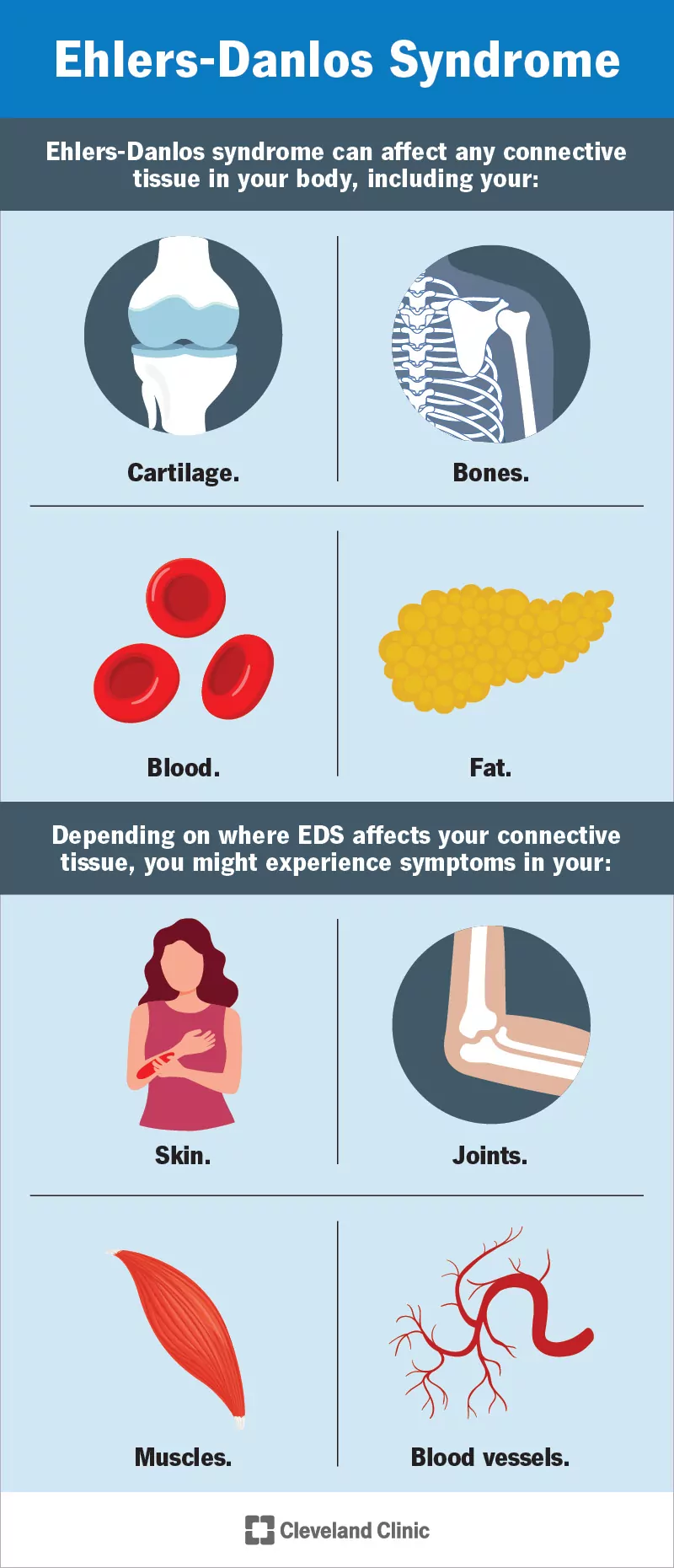
Ehlers-Danlos Syndrome (EDS) is a group of genetic disorders that affect the body's connective tissue, which provides support and structure to various organs, joints, and other body systems. According to MedlinePlus, EDS is a condition that can cause a range of symptoms, from mild to severe, and can impact an individual's quality of life. In this article, we will delve into the world of Ehlers-Danlos Syndrome, exploring its causes, symptoms, diagnosis, treatment options, and management strategies.
What is Ehlers-Danlos Syndrome?
EDS is a group of disorders that affect the production of collagen, a protein that gives structure and strength to connective tissue. There are 13 subtypes of EDS, each with distinct symptoms and characteristics. The most common subtypes include:
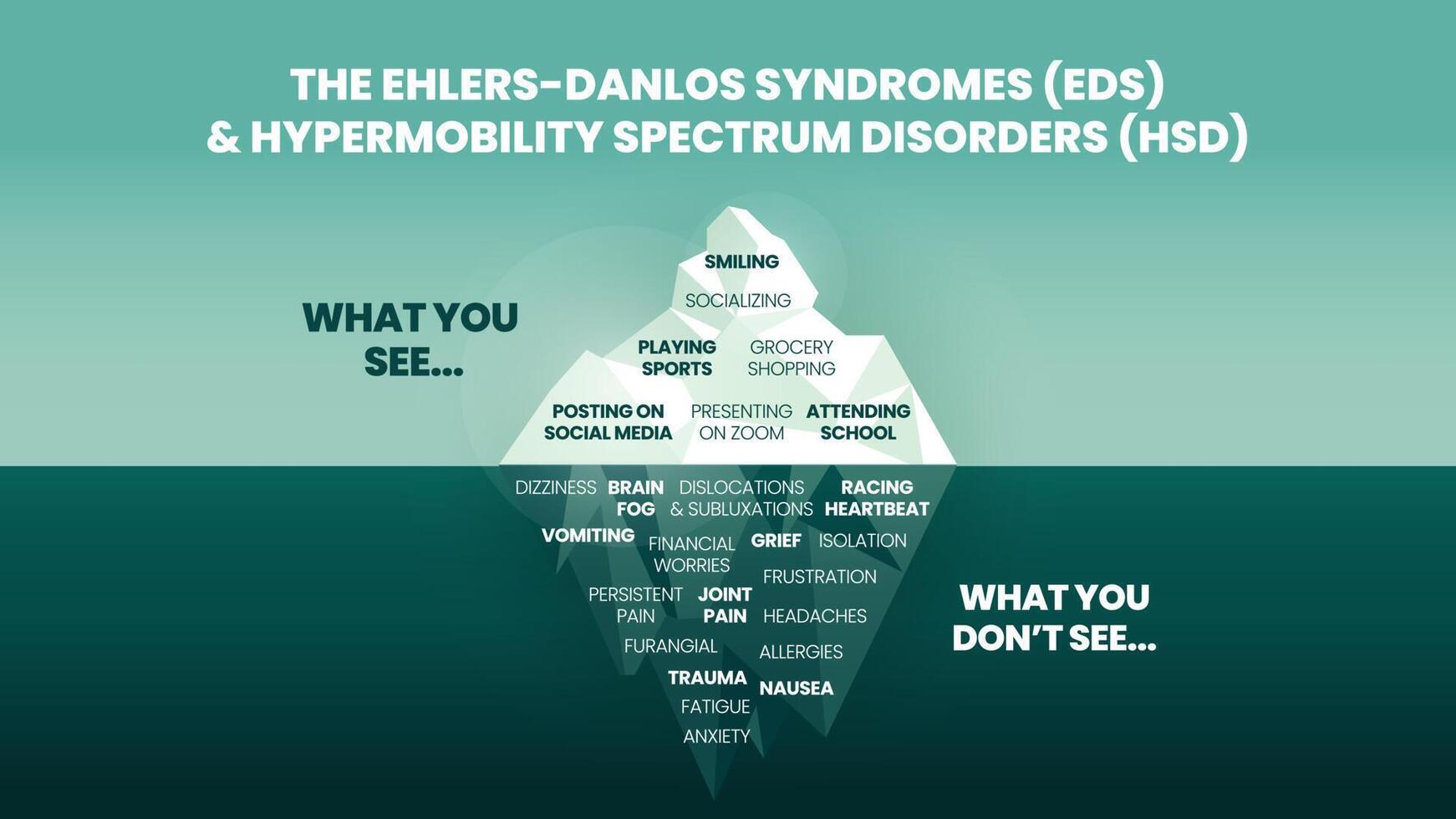
The symptoms of EDS can vary depending on the subtype and individual. Common symptoms include:
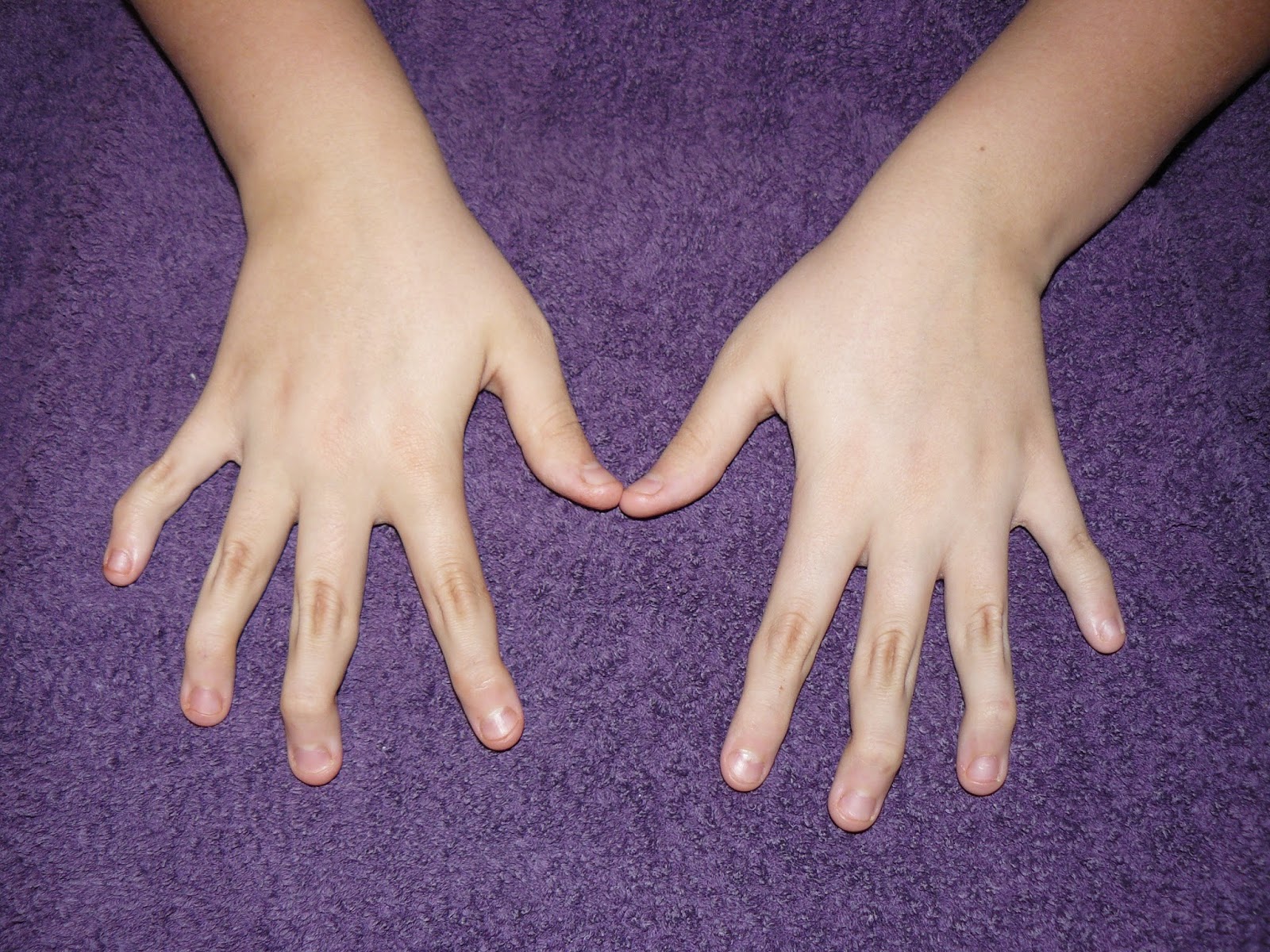
Joint hypermobility: loose or flexible joints that can lead to joint pain and instability
Skin hyperextensibility: skin that stretches easily and is prone to bruising and tearing
Tissue fragility: fragile tissues that can lead to easy bruising and poor wound healing
Gastrointestinal problems: constipation, bloating, and abdominal pain
Cardiovascular problems: mitral valve prolapse, aortic root dilatation, and other heart issues
Diagnosis and Treatment of Ehlers-Danlos Syndrome
Diagnosing EDS can be challenging, as the symptoms can be similar to those of other conditions. A diagnosis is typically made based on a combination of:
Physical examination: a thorough examination of the individual's joints, skin, and other body systems
Medical history: a review of the individual's medical history and family history
Genetic testing: genetic testing to identify the specific subtype of EDS
Imaging studies: imaging studies such as X-rays, CT scans, or MRI scans to evaluate joint and tissue damage
Treatment for EDS typically focuses on managing symptoms and preventing complications. This may include:
Physical therapy: physical therapy to improve joint mobility and strength
Pain management: pain management strategies such as medication, acupuncture, or cognitive-behavioral therapy
Surgery: surgery to repair damaged tissues or joints
Lifestyle modifications: lifestyle modifications such as avoiding heavy lifting, bending, or strenuous activities
Ehlers-Danlos Syndrome is a complex and multifaceted condition that requires a comprehensive approach to management. By understanding the causes, symptoms, and treatment options for EDS, individuals can take control of their condition and improve their quality of life. If you or a loved one is affected by EDS, it is essential to work with a healthcare team to develop a personalized treatment plan. With the right support and care, individuals with EDS can lead active and fulfilling lives.
For more information on Ehlers-Danlos Syndrome, visit MedlinePlus.